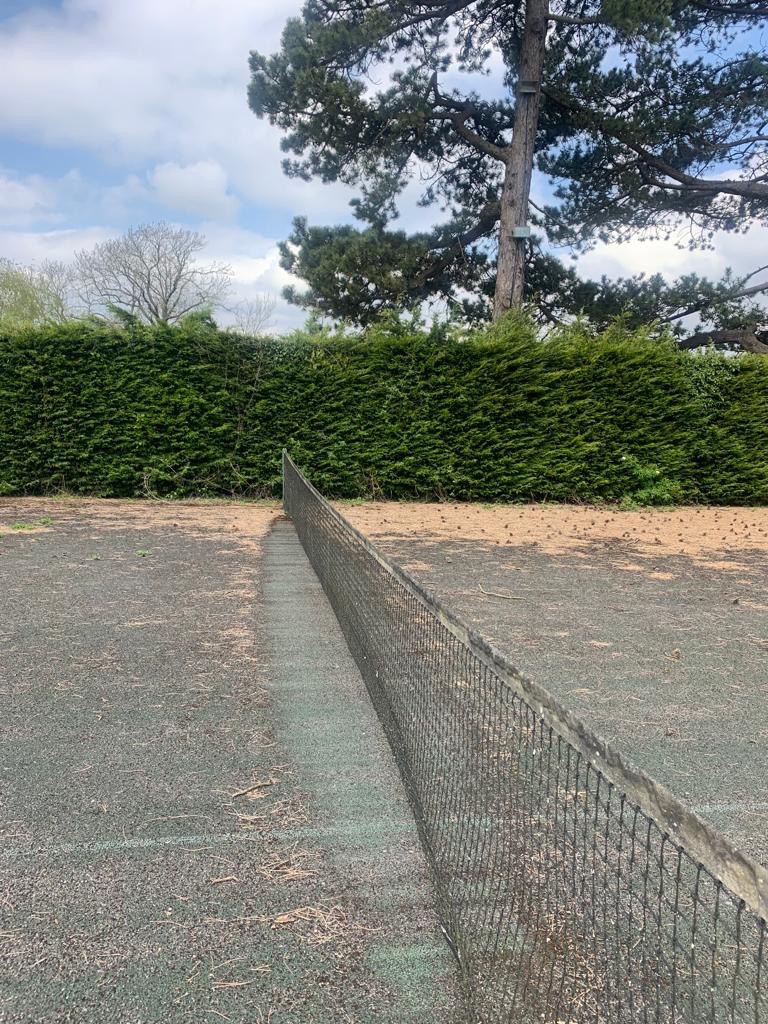
A well-maintained tennis court provides a consistent playing surface, reliable ball bounce and a safer environment for players. However, regular use and exposure to changing weather conditions can gradually affect its condition. Small defects may initially seem cosmetic, but if left unaddressed, they can develop into more significant problems that affect playability and the overall lifespan of the court.
For tennis clubs, schools and private property owners in Surrey, recognising the signs of deterioration can help determine when professional tennis court refurbishment is needed. Understanding what to look for also makes it easier to plan maintenance before the surface becomes unsuitable for regular use.
1. Cracks Appearing Across the Court Surface
Cracks are among the clearest signs that a tennis court may need professional attention. They can develop due to ground movement, changes in temperature, water penetration or deterioration of the underlying construction.
Minor surface cracks may initially have little impact on play, but they can gradually widen and spread. Larger cracks can create uneven areas, affect ball bounce and allow water to penetrate further into the court structure.
A professional assessment can establish the likely cause and determine whether localised repairs or more extensive refurbishment is appropriate. Simply covering visible cracks without addressing the underlying issue may only provide a temporary improvement.
2. Standing Water and Poor Drainage
Water collecting on the playing surface after rainfall is another important warning sign. Some surfaces may take time to dry, but persistent puddles or recurring wet patches can indicate drainage problems, uneven levels or surface deterioration.
Poor drainage can make a court unavailable for longer periods and contribute to further damage. Water that remains on the surface may also encourage moss and algae growth, creating slippery conditions.
Professional attention can help identify whether the problem relates to surface levels, drainage channels or the condition of the court construction. Correcting the cause is essential to improving how effectively water is managed.
3. Faded Colours and Worn Court Markings
Court colours and line markings naturally deteriorate through exposure to sunlight, rain and regular foot traffic. Fading does not always mean the court needs major refurbishment, but it can indicate that the playing surface is ageing.
Worn or unclear markings can make it difficult for players to judge boundaries accurately. Peeling coatings and patchy colour can also suggest that the surface is no longer providing consistent protection.
Depending on the court’s condition, professional refurbishment may involve cleaning, surface preparation, applying a suitable coating and reinstating clear playing lines.
4. Uneven Areas and Inconsistent Ball Bounce
A tennis court should provide a reasonably consistent surface so players can move confidently and anticipate how the ball will respond. Depressions, raised sections and areas of uneven wear can affect both movement and ball bounce.
These defects may develop because of settlement, previous repairs or deterioration beneath the playing surface. They can make rallies less predictable and increase the likelihood of players losing their footing.
If certain areas repeatedly produce unusual ball behaviour, the court should be inspected. Professional contractors can assess the affected sections and recommend suitable repairs or resurfacing.
5. Moss, Algae and Persistent Surface Growth
Moss and algae commonly develop in areas that remain damp, receive limited sunlight or have poor drainage. They can make a court slippery, particularly after rainfall, and may indicate that routine cleaning and maintenance are no longer sufficient.
Regular removal of organic growth helps keep the surface in better condition. However, widespread or recurring growth may require a closer inspection to identify moisture-related issues.
Cleaning methods should be appropriate for the court surface, as overly aggressive equipment or unsuitable chemicals can damage coatings and affect the playing finish.
6. Peeling, Blistering or Loose Surface Coatings
If the court coating begins to peel, blister or separate from the underlying surface, it may indicate problems with adhesion, moisture or general material deterioration.
These defects can spread if ignored, leaving the playing area uneven and less comfortable underfoot. Applying another coating without preparing the existing surface properly may not resolve the problem.
Professional refurbishment can involve removing loose material, preparing the surface and applying a suitable system to restore a more consistent finish.
7. When Routine Maintenance Is No Longer Enough
Regular cleaning, debris removal and prompt attention to minor defects can help extend a tennis court’s useful life. However, there comes a point when repeated patching and basic maintenance no longer provide a satisfactory result.
If several problems appear together, such as cracking, fading, standing water and uneven areas, a full assessment may be worthwhile. The appropriate refurbishment work will depend on the court’s construction, surface type, drainage and extent of deterioration.
A professional inspection helps distinguish between issues that can be repaired locally and those that require more comprehensive work.
The Benefits of Timely Tennis Court Refurbishment
Refurbishing a deteriorating tennis court can improve its appearance, playing consistency and usability. Addressing surface defects and drainage problems can also help prevent further deterioration and reduce disruption for players.
For facilities across Surrey, a refurbishment plan should take account of how frequently the court is used, the condition of its existing construction and the needs of the people playing on it. Choosing suitable materials and carrying out the work correctly are important to achieving a durable, reliable finish.
Conclusion
Cracks, standing water, faded markings, uneven surfaces, organic growth and peeling coatings are all signs that a tennis court may need professional attention. Identifying these problems early can help prevent further deterioration and keep the playing area suitable for regular use.
If your tennis court is showing signs of wear, Tennis Court Construction Surrey can help assess its condition and advise on suitable refurbishment options. Get in touch to discuss your requirements and arrange professional tennis court services in Surrey.
Call us on: 01306 771498
Click here to find out more about Tennis Court Construction Surrey
Click here to complete our contact form and see how we can help with your tennis needs.