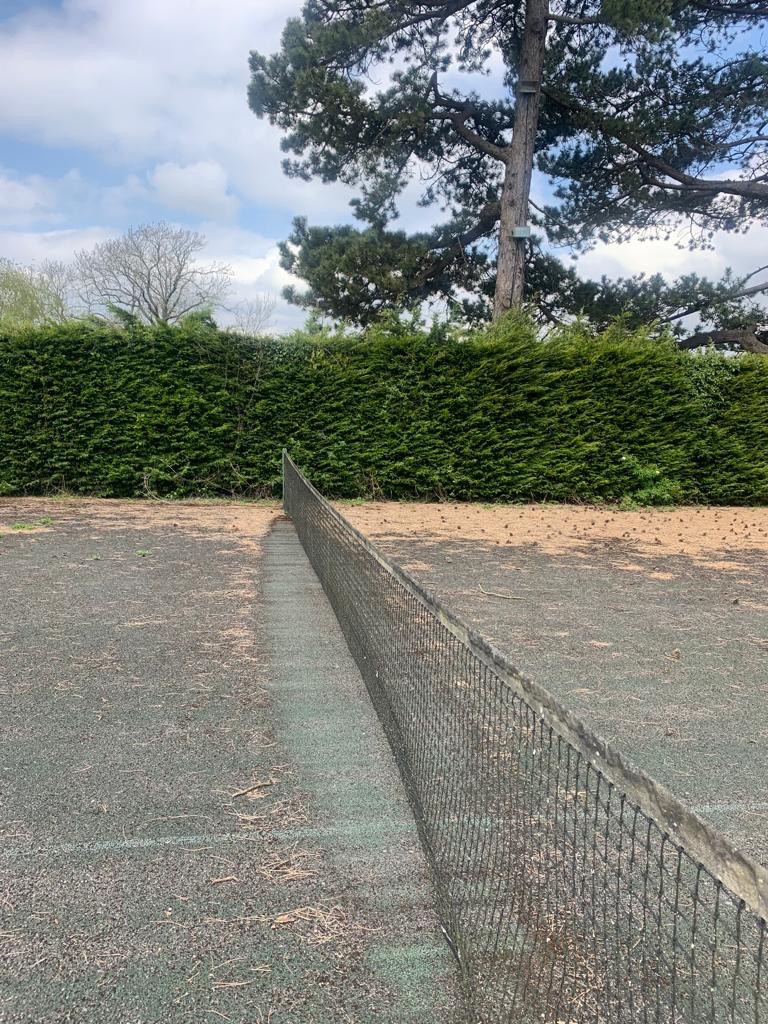
A well-maintained tennis court is essential for consistent play, player safety, and long-term performance. Over time, however, even professionally installed courts can begin to show signs of wear due to weather exposure, regular use, and natural surface ageing. For property owners and sports facilities in Surrey, UK, recognising the early warning signs of tennis court surface damage can help prevent more extensive deterioration and maintain the quality of the playing surface.
At Tennis Court Construction Surrey, we regularly assess and restore tennis courts showing early signs of damage. Identifying these issues promptly is key to protecting the surface and extending the lifespan of the court.
Why Tennis Court Surfaces Deteriorate
Constant exposure to weather
Outdoor courts are exposed to rain, temperature changes, frost, and UV exposure throughout the year. These conditions gradually affect surface materials over time.
Regular use and pressure
Frequent foot traffic, ball impact, and equipment movement place continuous strain on the surface, particularly in high-use areas.
Lack of ongoing maintenance
Without regular cleaning and inspections, small issues can worsen and affect the overall performance of the court.
Cracks Appearing on the Surface
One of the earliest warning signs
Cracks are among the most common indicators of surface deterioration. They may begin as small hairline fractures but can expand over time if left untreated.
Why cracks matter
Cracks can allow water to penetrate beneath the surface, potentially leading to:
- Further structural weakening
- Uneven playing conditions
- Accelerated surface damage
Addressing cracks early helps prevent more extensive repairs later.
Uneven or Sunken Areas
Changes in surface level
If parts of the court begin to sink or become uneven, it may indicate movement within the base or underlying structure.
Impact on play and safety
Uneven surfaces can affect ball bounce and create trip hazards, reducing both performance and player safety.
Surface Fading and Discolouration
Signs of ageing materials
Over time, tennis court surfaces may begin to lose their original colour and finish due to exposure to sunlight and weather.
More than a cosmetic issue
While fading may appear minor initially, it often indicates that the protective surface coating is wearing down.
Poor Drainage and Water Pooling
Standing water after rainfall
A properly constructed tennis court should allow water to drain effectively. Persistent puddles or pooling water suggest drainage issues or surface wear.
Risks of moisture retention
Excess moisture can weaken the surface and contribute to cracking, algae growth, and long-term structural problems.
Moss, Algae, and Organic Growth
Surface contamination
Moss and algae often develop where moisture remains on the court surface for extended periods.
Why it should not be ignored
Organic growth can:
- Create slippery playing conditions
- Retain moisture against the surface
- Accelerate deterioration of coatings and materials
Regular cleaning and maintenance help prevent these issues from developing further.
Worn or Slippery Surface Texture
Reduced grip underfoot
As surface coatings wear down, the court may become smoother and less effective for player movement.
Impact on performance
A worn texture affects traction, comfort, and overall playability, making resurfacing an important consideration.
Loose or Damaged Court Markings
Deterioration of line markings
Fading, peeling, or damaged court lines are another indication that the surface is beginning to age.
Importance of visibility
Clear markings are essential for proper gameplay and maintaining a professional standard of court presentation.
The Importance of Professional Inspections
Many signs of surface damage develop gradually and may not always appear serious at first. A professional assessment ensures that both visible and underlying issues are identified early.
At Tennis Court Construction Surrey, we provide detailed inspections and tailored maintenance solutions for tennis courts across Surrey, UK, helping property owners maintain safe, high-performing surfaces.
Preventing Long-Term Surface Damage
Routine maintenance
Regular cleaning, inspections, and minor repairs help preserve the condition of the court and prevent avoidable deterioration.
Early intervention
Addressing small issues before they worsen is the most effective way to extend the lifespan of the surface.
Conclusion
Tennis court surface damage often begins with small warning signs such as cracks, uneven areas, fading, poor drainage, or moss growth. While these issues may seem minor initially, they can quickly affect both performance and safety if left unresolved.
For tennis court owners in Surrey, UK, regular maintenance and professional inspections are essential for protecting the condition and longevity of the surface. If your court is showing signs of wear or deterioration, Tennis Court Construction Surrey can provide expert advice, detailed assessments, and reliable solutions tailored to your facility.
Call us on: 01306 771498
Click here to find out more about Tennis Court Construction Surrey
Click here to complete our contact form and see how we can help with your tennis needs.