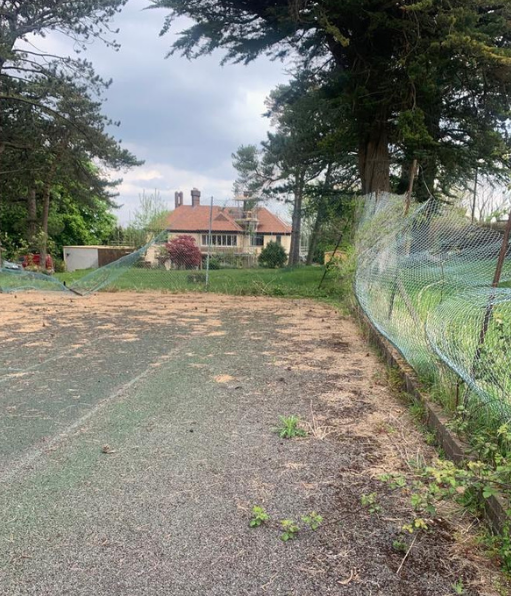
A well-maintained tennis court is essential for safe play, reliable performance, and long-lasting durability. However, even the best-built courts naturally begin to show signs of wear over time. For facilities and homeowners across Surrey, understanding the causes of surface deterioration is the first step in addressing them effectively. Professional refurbishment not only restores the court’s appearance but also significantly enhances its playability and structural integrity.
Common Causes of Tennis Court Surface Wear
1. Weather Exposure
Tennis courts are constantly exposed to the elements, and the British climate can be particularly demanding. UV exposure gradually breaks down surface coatings, while rain and moisture contribute to surface weakening. Over time, this leads to fading, surface brittleness, and the development of small cracks.
2. Heavy Usage
Regular play places consistent pressure on the surface. Footwork, ball impact, and frequent directional changes all contribute to gradual abrasion. High-use courts—such as those at clubs, schools, and sports centres—naturally experience faster wear than occasional-use private courts.
3. Poor Drainage
Effective drainage is crucial for maintaining a stable surface. When water cannot run off correctly, it pools and saturates the surface layers. This causes soft spots, algae growth, and, eventually, deeper structural damage. Poor drainage is one of the most common reasons courts age prematurely.
4. Surface Movement
Ground movement, tree roots, and seasonal temperature changes can cause a tennis court to shift subtly. These movements may produce uneven areas, cracks, or dips that disrupt play and compromise safety.
5. Ageing Surface Materials
Even with excellent installation, surface materials have a natural lifespan. Acrylic coatings, porous asphalt, artificial grass, and polymer systems all experience degradation over time. Once these materials age beyond their performance threshold, refurbishment becomes essential.
How Professional Refurbishment Resolves Surface Wear
Restoring a Smooth, Even Playing Area
Refurbishment begins by addressing structural issues. Cracks, dips, and worn patches are repaired to restore a consistent, level finish. This ensures safe, predictable ball bounce and a more enjoyable playing experience.
Improving Drainage Performance
Specialist refurbishment teams assess and correct drainage issues. This may involve cleaning out porous layers, regrading sections of the court, or removing accumulated debris. Restoring proper drainage is vital for preventing future wear and protecting the underlying base.
Strengthening Surface Layers
A new surface coating or playing layer is applied to reinforce durability. Modern materials are designed to resist UV damage, handle harsher weather conditions, and provide superior traction. This rejuvenates the court and significantly extends its lifespan.
Enhancing Court Appearance
Refurbishment transforms the visual appeal of the court. Fresh coatings, clear line markings, and vibrant colour finishes restore the professional look of the surface. Facilities benefit from improved presentation, while private courts regain their attractive, well-kept appearance.
Boosting Long-Term Performance
A properly refurbished court performs better, lasts longer, and is easier to maintain. By resolving root causes of wear and strengthening all layers of the surface, refurbishment ensures the court remains reliable for years to come.
Conclusion
Surface wear is a natural part of a tennis court’s life cycle, but it does not have to compromise performance or safety. Understanding the reasons behind deterioration helps you take timely action, and professional refurbishment restores the court to a high standard—both visually and structurally.
If your tennis court in Surrey is showing signs of wear, Tennis Court Construction Surrey is here to help. Contact us today to discuss your refurbishment needs and arrange a suitable time for us to assist you.
Call us on: 01306 771498
Click here to find out more about Tennis Court Construction Surrey
Click here to complete our contact form and see how we can help with your tennis needs.